Tottenham Hale removals vans access and lift restrictions
Posted on 06/06/2026
Tottenham Hale removals vans access and lift restrictions: a practical moving guide
If you are planning a move in Tottenham Hale, the van space outside the building and the lift rules inside it can matter more than the boxes themselves. That sounds dramatic, but it is true. A move that looks straightforward on paper can become slow, awkward, or even expensive if the removals van cannot get close enough, or if the lift is booked, too small, or restricted to certain hours.
This guide explains Tottenham Hale removals vans access and lift restrictions in plain English. You will learn how access checks work, why they affect timings and costs, what to ask your building manager, and how to avoid those small frustrations that somehow become big ones on moving day. A bit of planning goes a very long way here.
For anyone comparing local moving options, it also helps to look at the wider service picture. Pages like removal services in Haringey, flat removals support, and man and van help in Haringey can be useful if your move involves a compact access route, upper-floor flat, or a tight loading bay.
![A close-up of a blue parking sign with a white wheelchair symbol indicating accessible parking, mounted on a metal post against a partly cloudy sky background. The sign includes the text 'PARKING' at the top, followed by a line, then 'VEHICLE ID REQUIRED,' another line, and a notice of a fine of up to $200 for violations below. The sign is positioned near a residential or commercial property, with a tiled surface or pavement at its base. This image relates to house removals and logistics, as indicated by the context of Tottenham Hale removals vans access and lift restrictions, with [COMPANY_NAME] providing professional moving and furniture transport services, ensuring compliance with local parking regulations during home relocation or furniture transportation tasks.](/pub/blogphoto/tottenham-hale-removals-vans-access-and-lift-restrictions1.jpg)
Why Tottenham Hale removals vans access and lift restrictions Matters
Tottenham Hale has a mix of modern apartments, older residential blocks, busy roads, and shared access points. That combination is exactly where moving logistics can get tricky. A van may not be able to stop right outside your entrance. The lift might be shared, too small for wardrobes, or unavailable during certain hours. In some buildings, you may also need advance permission before any moving vehicle can use the loading area.
Why does this matter so much? Because removals are time-sensitive. Every extra minute spent waiting for a lift, carrying furniture across a long hallway, or manoeuvring a van through a narrow entrance adds friction. And friction means more labour, more stress, and sometimes more cost. Not ideal when you are already juggling keys, utilities, cleaners, and the usual moving-day chaos.
There is also the safety side. Large furniture, heavy boxes, and shared communal areas do not mix well with rushed decisions. A sofa that nearly fits in a lift is still a problem if it scratches walls or blocks the doors. A van parked in the wrong place can turn a neat plan into a complaint from residents or building staff. Let's face it, nobody wants to be the person holding up the whole lobby.
Practical takeaway: in Tottenham Hale, the best move is rarely the fastest one on paper. It is the one that matches real building access, lift size, parking rules, and the amount of carrying distance involved.
How Tottenham Hale removals vans access and lift restrictions Works
In practice, access and lift restrictions usually affect a move in four ways: where the van can stop, how far items must be carried, whether lifts can be used at all, and what time window is available for loading or unloading. Some buildings are very organised and ask for a booking slot. Others are more informal, but still have quiet expectations that catch people out.
A removals team will normally look at:
- the width and height of entrance routes
- available parking or loading space
- step-free access, ramps, or narrow turns
- lift dimensions, weight limits, and door clearance
- time restrictions such as morning-only or weekday-only moving windows
- whether floor protection or wall protection is needed in communal areas
Sometimes the lift is technically available, but not practical for the job. For example, a lift may be fine for boxes yet awkward for a bed frame, wardrobe, or piano. In that case, the crew may choose a hybrid approach: smaller items in the lift, larger items via stairs or a different route. That is not unusual at all.
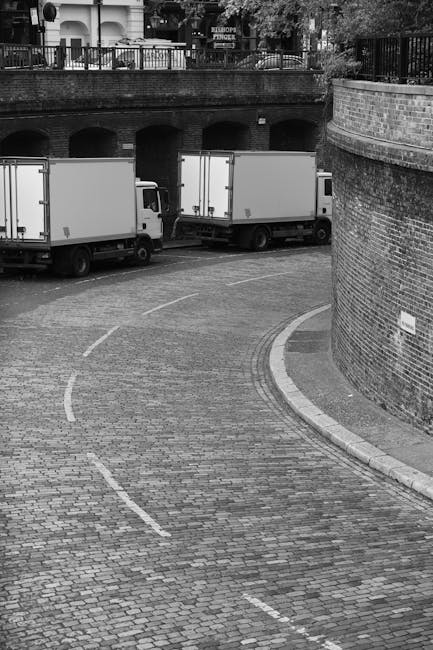
When a property has strict rules, the removals van may need to park a little further away, which increases carrying distance. That can still work well if it is planned properly. A good team will adjust vehicle size, crew numbers, and order of loading to keep the flow sensible. The main thing is not to assume the building will be as simple as a terraced house with a clear front drive. It rarely is.
If you are moving furniture-heavy items, it can also help to review furniture removals in Haringey and house removals support so you can judge whether your move needs a larger vehicle or a more specialist setup.
Key Benefits and Practical Advantages
It might sound odd to talk about benefits when the topic is basically access rules and lift bookings, but there are genuine upsides to handling these things well. To be fair, the best-moving-day advantage is peace of mind. That alone can be worth a lot.
- Smoother timings: planned access means less waiting around and fewer interruptions.
- Lower damage risk: fewer last-minute carrying decisions reduces the chance of knocks, scrapes, and strained backs.
- More accurate pricing: when the route is known in advance, estimates are usually more realistic.
- Better van choice: the right vehicle can be chosen for the parking and access constraints rather than guessed.
- Less pressure on the day: building rules, lift bookings, and loading time are handled before the van arrives.
There is a commercial side too. If you are comparing moving options, access details help you choose the right format: a larger removal van, a smaller vehicle, or a flexible man with van service in Haringey. For simple moves, this can be a neat way to avoid overpaying for capacity you do not need. For complicated moves, it helps you avoid underestimating the job. That balance matters.
Another benefit is neighbour relations. A tidy, well-managed move tends to create less noise, less obstruction, and less awkwardness in shared blocks. In a busy area like Tottenham Hale, that is worth protecting. You will notice the difference almost immediately: no frantic door-holding, no blocked corridor, no funny look from the person waiting for the lift. Nice and calm, ideally.
Who This Is For and When It Makes Sense
This topic is especially relevant if you are moving into or out of a flat, apartment block, managed development, or mixed-use building around Tottenham Hale. It is also relevant if your property is in a street with limited stopping space, resident permit pressure, or shared access routes.
It makes sense for:
- flat owners and tenants on upper floors
- students moving into compact accommodation
- families moving between buildings with concierge or management rules
- office teams relocating small premises
- people moving on a tight schedule who need efficient loading and unloading
- anyone with bulky furniture, fragile items, or a piano
For student moves, access rules can be the difference between a 45-minute shift and a stressful three-hour saga. If that sounds familiar, a dedicated student removals service may be a better fit than trying to squeeze everything into a rushed last-minute arrangement.
It also makes sense if you are dealing with a same-day move. In that case, access planning becomes even more important, because there is less room to correct mistakes. A quick read of same-day removals in Haringey or the guide on same-day and emergency moving tips can help if the schedule is already tight.
Step-by-Step Guidance
Here is a sensible way to approach Tottenham Hale removals vans access and lift restrictions without making the process more complicated than it needs to be.
- Check the building rules early. Ask for any moving policy, lift booking requirement, or loading bay instruction as soon as you know your moving date.
- Measure the awkward stuff. Stairs, doorways, lift doors, corridor corners, and large furniture all deserve a quick check. A tape measure can save a lot of guesswork.
- Confirm van access. Find out where a van can stop, whether a bay needs booking, and whether there are any time limits or width restrictions.
- Match the vehicle to the job. A smaller vehicle may be better for restricted streets. A bigger van may still be fine if parking is straightforward and the loading distance is short.
- Decide what goes in the lift. Keep a practical list of items suitable for lift transport and items better handled by stairs or specialist lifting.
- Book the right time slot. Choose a moving window that fits the building rules and gives enough slack for delays. Morning slots are often less chaotic, though not always.
- Protect the route. Use covers, blankets, and floor protection where needed, especially in communal hallways and lift areas.
- Brief everyone involved. Let the removals team, building manager, and any helpers know the plan. A simple shared understanding prevents silly mistakes.
A small but useful habit: take photos of the route, lift panel, parking entrance, and any signage. It feels a bit over-prepared at the time, I know, but it can be helpful if the situation changes on the day.
If you are booking broader moving support, review the wider services overview and the practical details on packing and boxes in Haringey so the moving plan and the packing plan actually match each other. That sounds obvious. It often gets missed.
Expert Tips for Better Results
In our experience, the most successful moves in restricted-access buildings are the ones where the removals team gets the awkward details first, not last. That means lift size, parking type, reception rules, and stair shape before anyone starts lifting.
Here are the details worth paying attention to:
- Use a realistic loading sequence. Put essential items, fragile items, and awkward shapes where they can be reached without unpacking half the van.
- Plan around lift bottlenecks. If only one lift serves the block, avoid assuming you will have continuous use.
- Keep a spare route in mind. If the lift breaks, is booked, or is too small, what is Plan B?
- Be careful with tall furniture. A wardrobe that fits diagonally in a lift still may not clear the ceiling or door frame safely.
- Expect extra time for shared buildings. Communal spaces, secure entry systems, and residents moving in and out can all slow things down a little.
A very practical tip: if your building has a concierge or management office, let them know the move time and ask whether there are any useful windows when the lift is quieter. Sometimes there is a surprisingly calm slot, usually mid-morning, and it can make a move feel much less frantic.
If you are shifting heavier or specialist items, like a grand piano or upright piano, restrictions become even more important. A dedicated piano removals service may be the safer route than treating it like standard furniture. Not every item is meant to squeeze through a lift, after all.
Common Mistakes to Avoid
Most problems in this kind of move are not dramatic. They are small planning errors that snowball. A few of the usual suspects:
- Assuming the lift is available all day. Many buildings use booking systems or block certain hours.
- Ignoring the height and width of the van. A vehicle that is too big for the site can slow everything down before unloading even starts.
- Not checking the route from van to flat. A short-distance carry can still be hard if there are steps, doors, or awkward turns.
- Leaving packaging until the last minute. Delayed packing creates rushed lifting, and rushed lifting creates accidents. Simple as that.
- Overfilling the lift. One or two careful trips are usually better than forcing a huge load into a lift that is clearly not having it.
- Forgetting neighbours and building staff. It is amazing how much easier things go when people know what is happening.
There is another one that sounds minor but causes real headaches: not checking who is responsible for booking the lift. Is it you, the landlord, the concierge, the managing agent, or the outgoing tenant? If you are not sure, ask. Don't just hope the lift will politely appear on the day.
For broader reassurance on trust, paperwork, and what a professional operator should have in place, useful pages include health and safety policy, insurance and safety information, and terms and conditions.
Tools, Resources and Recommendations
You do not need a mountain of equipment to manage access restrictions well. A few basic tools and a tidy process usually do the job.
- Tape measure: essential for lift doors, furniture dimensions, and awkward corners.
- Floor protection: especially useful in communal areas and lift entrances.
- Furniture blankets and straps: helpful for protecting items and securing them in transit.
- Labels and markers: make it easier to prioritise boxes and reduce time in restricted spaces.
- Mobile phone photos: quick reference for access routes, parking signs, and building instructions.
- Spare keys and entry codes: boring, yes, but absolutely essential.
For people who want a more structured move, it can help to combine access planning with storage or packing support. If you are between properties, a storage option in Haringey can reduce pressure when the timing is awkward. And if the property is on the smaller side, flat removals often fits the reality of lift-based or stair-heavy access far better than a generic moving approach.
One more practical recommendation: if you think access will be tight, ask for a move plan before move day rather than waiting for the team to improvise at the kerb. Flexibility is useful. Guesswork is not.
Law, Compliance, Standards and Best Practice
This topic does not usually involve complex legal formalities for the average household move, but there are still sensible standards to follow. In the UK, moving teams are expected to work safely, use reasonable care around people and property, and respect building rules. That means safe lifting, appropriate vehicle placement, and proper handling of shared spaces.
Best practice normally includes:
- clear communication about access arrangements
- safe manual handling and team lifting where needed
- careful use of lifts without overloading or forcing items
- respect for communal areas, entrances, and resident access
- insurance cover appropriate to the work being carried out
If you are dealing with a managed building, there may also be site-specific rules about move times, lift bookings, and loading bays. These are not abstract details; they are operational rules that can affect the whole day. Follow them closely, even if they seem a bit fussy. Buildings are often fussy for a reason.
For readers who value transparent business conduct, support pages such as payment and security, complaints procedure, and accessibility statement can provide extra reassurance about how services are handled. It is always sensible to check how a company works before moving day gets busy.
Options, Methods and Comparison Table
Different access setups call for different moving methods. The right one depends on your building, your furniture, and how much time you have. Here is a straightforward comparison.
| Method | Best for | Strengths | Limitations |
|---|---|---|---|
| Large removal van | Houses or buildings with easy parking and good access | More capacity, fewer trips, efficient for larger moves | Harder to use in tight streets or restricted loading zones |
| Smaller removals van | Blocks with limited access or short carrying distance | Easier to park, more flexible in busy residential areas | May need more trips for larger loads |
| Man and van service | Small to medium moves, student moves, single-room relocations | Flexible, often well suited to restricted access | Not always ideal for full-house or high-volume moves |
| Full removals team | Flats, family homes, office moves, complex access | Better for heavy items, coordination, and speed | Can be more than needed for very small jobs |
There is no one-size-fits-all answer. A small van can be perfect in a tight Tottenham Hale block, while a larger vehicle may be more efficient if the access is clear and the lift can handle the job. Think of the move as a logistics problem, not just a transport problem.
Case Study or Real-World Example
Picture a couple moving from a fourth-floor flat in Tottenham Hale into a nearby apartment building. The new block has a lift, but it is shared and must be booked. The street outside has limited stopping space, so the van cannot sit directly outside the entrance for long. They also have a bed frame, two wardrobes, several boxes of kitchen items, and a heavy mirror that looks simple until you actually try to turn it in a corridor.
Instead of arriving and hoping for the best, they confirm the lift booking two days before moving day, measure the wardrobe sections, and tell the removals team about the restricted parking. The team uses a smaller vehicle than originally planned, which keeps the parking simpler. They reserve the lift for the awkward items and use the stairs for lighter boxes when the lift gets busy.
The move still takes effort, naturally. There are a few pauses, a couple of careful turns, and one moment where everyone has to wait while another resident comes through with shopping bags. But the day stays controlled. No one is stuck outside wondering where the van should go. No one is trying to angle a sofa through a lift that is obviously too small. It is not glamorous. It is just well managed.
That is really the whole point of planning around access and lift restrictions: not making the move perfect, but making it predictable enough to handle well.
Practical Checklist
Use this checklist a day or two before your move. It is boring in the best possible way.
- Confirm the moving date, time window, and any building rules.
- Check whether the lift must be booked in advance.
- Measure the largest furniture pieces.
- Measure lift doors, stair corners, and main entrance routes.
- Find out where the van can legally and safely stop.
- Ask whether a loading bay, permit, or permit-style arrangement is needed.
- Prepare floor protection and furniture covers.
- Label boxes by room and priority.
- Keep keys, access codes, and entry instructions in one place.
- Tell neighbours or building staff if the move may create short-term noise or corridor use.
- Set aside essential items you need immediately after arrival.
- Have a backup plan if the lift is unavailable.
A quick checklist like this can save an hour of confusion. Maybe more, if the building is busy. And honestly, on moving day, an hour feels like a gift.
Get a free quote today and see how much you can save.
Conclusion
Tottenham Hale removals vans access and lift restrictions are not a minor detail. They shape the whole moving experience. When you plan them properly, your move becomes calmer, safer, and much easier to manage. When you ignore them, they can quietly turn a routine relocation into a long, sweaty puzzle.
The good news is that you do not need to overcomplicate anything. Measure the awkward parts, confirm the building rules, choose the right vehicle, and build a little breathing space into the timetable. That is usually enough to keep things moving. And if you are unsure, ask early. Early questions are cheap. Late surprises, not so much.
If your move involves a flat, a shared entrance, or bulky furniture, the smartest next step is to line up the route, the lift, and the van before the first box is loaded. That simple bit of order can make a huge difference, and it tends to leave everyone a bit happier at the end of the day.
Moving is rarely glamorous, but it can absolutely be manageable. One clear plan, one sensible van, one working lift at a time.
![A close-up of a blue parking sign with a white wheelchair symbol indicating accessible parking, mounted on a metal post against a partly cloudy sky background. The sign includes the text 'PARKING' at the top, followed by a line, then 'VEHICLE ID REQUIRED,' another line, and a notice of a fine of up to $200 for violations below. The sign is positioned near a residential or commercial property, with a tiled surface or pavement at its base. This image relates to house removals and logistics, as indicated by the context of Tottenham Hale removals vans access and lift restrictions, with [COMPANY_NAME] providing professional moving and furniture transport services, ensuring compliance with local parking regulations during home relocation or furniture transportation tasks.](/pub/blogphoto/tottenham-hale-removals-vans-access-and-lift-restrictions3.jpg)