How Haringey Council parking rules affect your removals booking
Posted on 08/07/2026

If you are booking a move in Haringey, parking is rarely a small detail. It can decide whether the van parks outside the door, whether the crew has to wheel everything half a street away, and whether your removals day feels calm or chaotic. In practice, How Haringey Council parking rules affect your removals booking comes down to timing, bay availability, permit needs, suspension notices, and how much access your street actually gives on the day.
That may sound a bit dry at first, but anyone who has watched a sofa wait on a loading bay while traffic stacks up nearby knows the reality. A "simple" move can become a long morning if parking is not planned early. The good news? With the right preparation, you can avoid most of the stress, keep the price sensible, and make the booking far smoother than people expect.
In this guide, we will break down the practical effects of Haringey parking controls on removals, what to check before you book, and how to plan your move so the van arrives, loads, and leaves without drama. If you are also comparing move types, it can help to look at broader options such as removal services in Haringey or more specific support like house removals in Haringey and flat removals in Haringey.
Why How Haringey Council parking rules affect your removals booking Matters
Parking rules shape removals in a very direct way. Removal crews need space close to the property for loading, and in a busy borough like Haringey that space is often controlled. If the van cannot stop near your home, the move slows down. That is not just inconvenient; it can alter labour time, vehicle size choice, and the whole booking plan.
There is also the customer side of it. If you book a smaller vehicle because the street looks tight, then later realise the team must shuttle items further than expected, you may need extra time. If you assume free curbside space but the road has resident bays, time restrictions, or a suspended bay, the move can start with a scramble. Not ideal. Nobody wants the first ten minutes of moving day to be a parking negotiation.
Haringey has a mix of residential streets, busy high roads, estates with limited turning room, and areas where event traffic, schools, or construction can make parking even trickier. That means the impact is not uniform. A move in one street may be easy. A move ten minutes away may require a proper plan.
Key takeaway: parking is not a side issue. In Haringey, it is part of the removals booking itself, and the earlier you treat it that way, the better your day tends to go.
For readers weighing local moving conditions more broadly, the borough-specific context is worth understanding too. Articles such as the Haringey property market overview and is Haringey ideal for settling down? give useful background on why the area attracts such a mix of movers, from families to sharers and first-time buyers.
How How Haringey Council parking rules affect your removals booking Works
At a practical level, the parking process influences four things: where the vehicle can stop, how long it can stay, whether a permit or suspension is required, and whether the crew can move efficiently without blocking traffic or breaching restrictions. Sounds straightforward enough. In reality, each street can be different.
1. Loading access comes first
Removal teams need the closest safe space possible. If the van is parked far from the property, they spend more time walking items and less time loading. On a small job that might be annoying; on a larger move it can become a real delay. A narrow hallway, a flight of stairs, or a long walk from van to door all add up.
2. Restrictions can change the van size
Parking pressure may push you towards a smaller vehicle or a different service style. For example, a man with van in Haringey job can work well for lighter loads or short-distance moves, while bigger households may need something more spacious. Sometimes the issue is not what fits inside the van. It is whether the van can actually stop near the property.
3. Timing can matter more than distance
Two properties can be the same distance from central London and still behave very differently on move day. School run traffic, bin collection days, controlled parking hours, nearby events, and even local street cleaning can affect where a vehicle can legally wait. That is why moving early in the morning is often easier. Not always, but often.
4. Councils can require formal parking arrangements
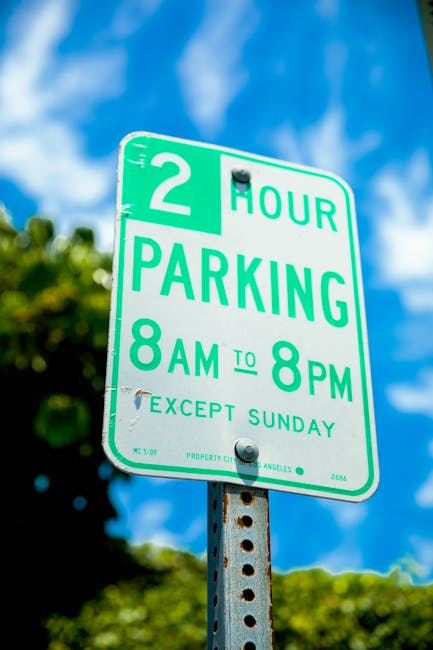
In some cases, you may need to arrange bay suspension or temporary parking permission, especially if the removals vehicle must use a controlled bay or if it could affect traffic. Haringey Council parking controls are the type of thing that should be checked well in advance rather than guessed. The last thing you need is a van circling the block while someone in the flat is still taping boxes shut.
5. Access issues are often linked to parking
Parking and access are cousins in removals planning. If the road is tight, there may also be lift restrictions, stair access challenges, or limited turning space. That is why local guides like Tottenham Hale removals vans, access and lift restrictions are so relevant: they highlight how parking is usually just one part of a wider access picture.
Key Benefits and Practical Advantages
Good parking planning may not sound exciting, but it pays off quickly. To be fair, most people only realise this after a move has already gone wrong. Here are the benefits of getting it right from the start.
- Less waiting time: the crew can load and unload without long walks from a distant parking spot.
- Lower risk of extra charges: if parking delays the job, some bookings take longer than expected.
- Better vehicle choice: knowing the street layout helps you choose the right van or removals team.
- Safer handling: fewer unnecessary trips across roads or pavements means less chance of damage.
- Less stress on moving day: you can focus on keys, checklists, and utility handovers rather than traffic or parking surprises.
There is also a planning benefit that people overlook: parking information helps you and the removals company estimate the shape of the move more accurately. When the crew knows whether they are dealing with a quiet residential road, a permit bay, or a busy high street, they can prepare equipment and staffing properly.
If you are moving furniture that is bulky or awkward, parking matters even more. A stop that is just a little too far away becomes a lot less manageable when you are carrying wardrobes, sofas, or dining tables. Services such as furniture removals in Haringey and piano removals in Haringey are especially sensitive to access planning, because the items are heavy, valuable, and not forgiving if the route is badly judged.
Who This Is For and When It Makes Sense
This matters for almost everyone moving in Haringey, but some people feel the effects more sharply than others.
Home movers in residential streets
If you are moving from a terrace, maisonette, or flat on a narrow road, parking can be the difference between a smooth half-day and a day that drags into the afternoon. Residential streets are often the trickiest because space is limited and neighbours may already have vehicles lined up.
Flat movers and top-floor residents
For flat removals in Haringey, the distance from van to front door matters a lot. Add stairs, a lift booking, or building rules, and parking becomes even more important. The van may only need to be there for a window of time, but that window has to be usable.
Students and first-time renters
Students and young renters often underestimate this part. Fair enough, most people are thinking about keys, bedding, and internet setup rather than parking restrictions. But if you are moving into shared accommodation, especially around busier parts of the borough, it helps to plan early. Student removals in Haringey can be straightforward, yet parking issues still bite if you leave them until the last minute.
Office and business moves
For workspaces, time is money. A parking delay can affect staff, deliveries, opening hours, and client access. That is why office removals in Haringey often need more precise planning than people expect. The vehicle must land quickly, the team must unload neatly, and the building should not be disrupted.
Same-day and urgent moves
Urgent removals are where parking planning can get messy fast. If you are working to a same-day timetable, there is less room for trial and error. In those cases, a service like same-day removals in Haringey is most effective when the parking picture is already clear.
Step-by-Step Guidance
If you want the short version: identify the parking situation early, confirm the loading point, and make sure your removals provider understands the street. But let's unpack that properly.
- Check the street outside both addresses. Look at bay markings, permit signs, time limits, and whether there is space to pause safely. Do this for your old place and your new one. People often only check one end and then regret it.
- Note the likely vehicle size. A smaller van may fit better on a tight road, but a larger move may need more loading space. If you are not sure, ask the removals company what vehicle type suits the property layout.
- Ask about parking arrangements early. If a controlled bay, suspension, or formal permission may be needed, sort that out well before moving day. Even a few days' delay can create unnecessary pressure.
- Tell the removals team about access details. Share details such as one-way streets, width restrictions, low trees, timed bays, or nearby school traffic. A good company will use that to shape the plan, not just nod and hope for the best.
- Choose a loading time that fits the street. Morning starts are often easier, but that depends on the road. If the area gets busy later in the day, build in a bit of cushion.
- Prepare for a short walk if needed. Sometimes the van simply cannot stop right outside. If that happens, make sure boxes are labelled, stacked sensibly, and ready to move in a clean sequence.
- Keep the building informed. If you live in a managed block, let the concierge, landlord, or neighbour know the moving window. That small bit of communication can save a lot of awkwardness.
And yes, the boring part matters most here. A simple note on the booking form about road width, parking restrictions, or lift access can save a surprising amount of trouble later.
Expert Tips for Better Results
After enough moves, a few patterns become very clear. These are the small things that make a big difference.
Tell the removals company the truth about the street. If it is awkward, say so. If parking is "probably fine" but not guaranteed, say that too. Half-information is where plans go strange. We have all seen it: the move looked easy on paper, then the van had to back up twice because a neighbour parked across the only workable gap.
Use a realistic time buffer. London moving days rarely run like clockwork. If parking is controlled, add a little extra time at both ends. Not huge amounts. Just enough to avoid everyone feeling rushed.
Separate parking difficulty from load difficulty. A small flat can still be a demanding move if the parking is poor and the stairs are steep. Conversely, a larger property on a generous road may be easier than expected. It is not always the size of the move that creates the problem.
Look for nearby event pressure. In parts of Haringey, local events, market days, sports fixtures, or school timings can change street conditions. If your move is near an obvious local event window, double-check the surroundings. This is especially true around busier areas and venue-heavy streets. A little common sense goes a long way.
Pair parking planning with packing discipline. Good parking is wasted if the crew has to wait while you search for loose items. Use packing and boxes in Haringey support if you need it, or at least label your boxes clearly. It keeps the whole process flowing, which is what you want when the van is only guaranteed a short stop.
If your move is a bit unusual, such as fragile instruments or larger specialist items, services like piano removals in Haringey or other specialist removal services in Haringey can make the planning more robust. Those moves really punish casual assumptions.

Common Mistakes to Avoid
Most parking-related moving problems are preventable. Honestly, that is the frustrating part. People do not usually get caught out by the impossible; they get caught out by the unchecked.
- Assuming outside space will be free all day. It often will not be.
- Ignoring the return journey. The new address matters just as much as the old one.
- Forgetting timed restrictions. A bay may be usable only at certain hours.
- Not mentioning a narrow road. If the van cannot turn or park neatly, the crew needs to know.
- Leaving parking planning until moving week. That is a recipe for stress.
- Choosing the wrong service for the access conditions. Sometimes a man and van in Haringey works better; sometimes a full house move is the smarter choice.
- Assuming insurance covers poor access behaviour. It may not. If you want the broader safety picture, see insurance and safety.
There is a subtle mistake too: trying to save a small amount by not arranging proper access, only to spend more time and effort later. That one bites people often. The move looks cheaper at first. Then, well, the clock starts.
Tools, Resources and Recommendations
You do not need specialist software to plan parking, just a sensible approach and the right questions. Still, a few practical tools help.
What to gather before booking
- Photos of the street outside both properties
- A quick note on bay markings or parking signs
- Any building access instructions
- Approximate floor level and lift availability
- Preferred move time and any fixed deadlines
What to ask your removals provider
- What vehicle size is likely to suit the property?
- How long will loading probably take if parking is tight?
- Should the move be scheduled earlier in the day?
- Do you need advance notice about a suspended bay or controlled loading area?
- Would storage be sensible if parking and access make same-day completion unrealistic?
That last point matters more than people think. If parking issues and key handover timing do not line up neatly, short-term storage can be the calm option rather than forcing a rushed move. In that case, storage in Haringey can be a practical part of the plan, not a backup plan you only think about at 8pm the night before.
You can also use the company's wider information pages to understand service scope and expectations before you confirm anything. A good starting point is the services overview and the pricing and quotes page, which helps you think about the move as a whole rather than just the van arriving on time.
Law, Compliance, Standards, or Best Practice
For parking and removals, compliance is mostly about following local parking controls, respecting loading restrictions, and working safely around pedestrians and traffic. That sounds obvious, but it needs saying because move day can tempt people into shortcuts.
Best practice in the UK removals sector generally includes checking access in advance, planning for restrictions, protecting property and public spaces, and ensuring the vehicle is positioned legally and safely. If a route or parking situation looks uncertain, the responsible approach is to plan around that uncertainty rather than assume it will work itself out.
From a customer perspective, that means being honest about what the street looks like and what the building allows. From a removals-company perspective, it means not overpromising access that is not there. Haringey's streets are varied enough that a one-size-fits-all assumption is rarely wise.
If you are reviewing the company's standards, it is also sensible to look at operational pages such as the health and safety policy and the terms and conditions. Those pages do not replace legal advice, of course, but they do tell you whether the business takes planning and risk seriously. That matters.
Options, Methods, or Comparison Table
Different booking styles make sense depending on parking conditions. Here is a simple comparison to help you decide what fits your move.
| Booking approach | Best for | Parking impact | Typical consideration |
|---|---|---|---|
| Full house removals | Larger homes, many items, family moves | Needs the best possible access | May require more planning for loading space and timing |
| Man and van | Smaller loads, shorter moves, flexible timing | Can suit tighter streets better | Less capacity, so multiple trips may be needed |
| Flat removals | Apartment blocks, upper floors, mixed access | Highly sensitive to lift and bay access | Building rules and parking distance both matter |
| Office removals | Workplaces and business relocations | Parking must support fast turnaround | Timing is critical and business disruption should stay low |
| Same-day removals | Urgent moves | Least room for parking mistakes | Only works well if access is already understood |
The right option is not always the biggest or cheapest one. It is the one that matches the street, the load, and the clock. If you are not sure, a local team that understands Haringey streets can save you from making the wrong call on the wrong day.
Case Study or Real-World Example
Picture a fairly common Haringey move: a two-bedroom flat, one small lift, and a road with controlled parking outside the building. The customer had booked a morning removal and assumed the van would stop right out front. The building was fine. The van, however, could not use the nearest bay because another vehicle had taken it early.
What happened next? The team had to park a little further up the road, carry items along the pavement, and work around a tighter window than expected. Nothing disastrous. But the job took longer, everyone felt rushed, and the customer was left looking at the clock a lot more than they wanted to.
On a second attempt later that month, the same building was moved again for a relative. This time the parking was checked two days ahead, the team was told exactly which bay was likely to work, and the lift booking was aligned with the loading time. The van parked cleanly, boxes moved in sequence, and the day felt controlled. Same building, same general area, totally different experience.
That is really the point. Parking does not just influence logistics. It changes the mood of the whole move. And if you have ever tried to move while balancing a kettle, a door key, and a sleepy cat, you will know the mood matters.
Practical Checklist
Use this checklist a few days before your removals booking. It is simple, but it covers the essentials.
- Confirm both pickup and delivery addresses
- Check parking signs and bay restrictions on both streets
- Ask whether any suspension or permit arrangement is needed
- Share access details with the removals team
- Confirm floor level, lift use, and building entry instructions
- Choose a time that avoids peak street pressure where possible
- Pack and label boxes so unloading is orderly
- Keep keys, documents, and valuables separate and easy to reach
- Tell neighbours or building management about the moving window
- Have a backup plan if the nearest bay is taken
Quick reminder: if your move looks tight on paper, assume it will be tight in real life. That mindset usually saves you trouble.
Conclusion
Parking rules in Haringey do more than regulate the street outside your home. They shape how your removals booking is priced, timed, staffed, and executed. When you understand the local parking picture early, you give your move the best chance of staying calm and efficient.
Whether you are moving from a flat, a family house, or a business premises, the winning formula is usually the same: check the access, share the details honestly, choose the right type of service, and leave enough room in the schedule for the unexpected. Not glamorous, perhaps. But it works.
If you are planning a move soon, use the parking situation as part of your booking decision rather than an afterthought. That little bit of foresight can save you time, money, and a fair bit of frustration. And on moving day, that really is worth a lot.
Get a free quote today and see how much you can save.