Crouch End Removals Guide for Narrow Streets and Parking
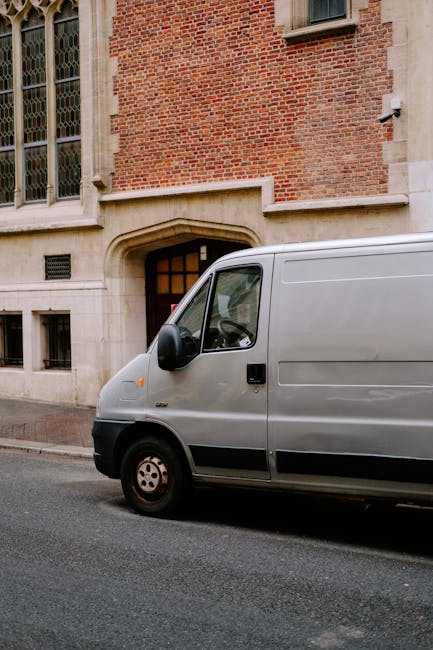
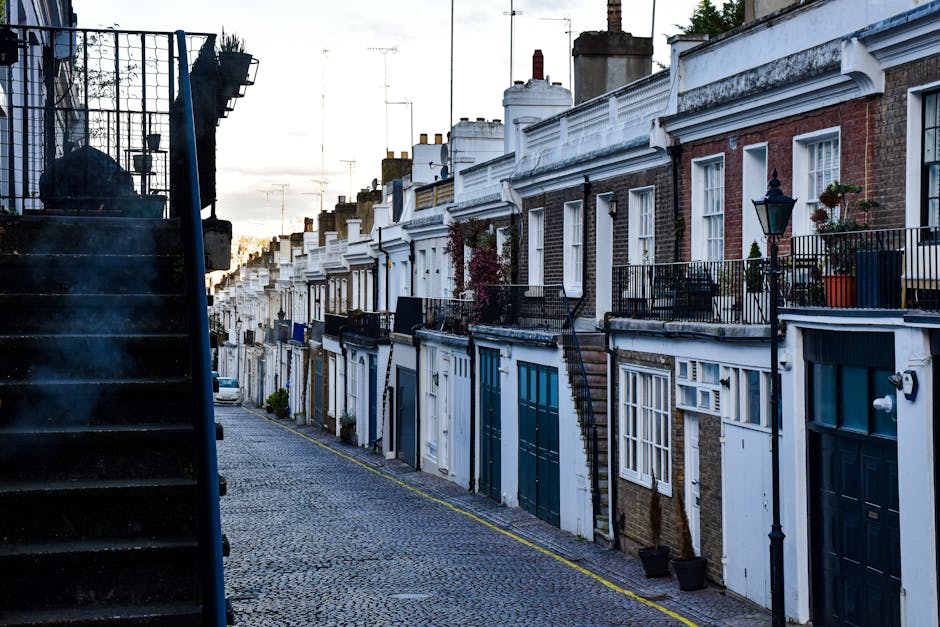
If you're planning a move in Crouch End, you already know the tricky bit is rarely the boxes. It's the streets. Tight corners, parked cars on both sides, busy school runs, and that awkward moment when a van appears to be physically too large for the road. This Crouch End removals guide for narrow streets and parking is built for that reality. It explains how to plan a smoother move, avoid unnecessary delays, and make sensible decisions before moving day arrives.
Whether you're moving out of a Victorian terrace, a top-floor flat, or a family house tucked along one of the smaller roads near the Broadway, the details matter. A little planning goes a long way. Truth be told, in areas like this, the best moves are the ones that look boring from the outside because everything was sorted in advance.
Below, you'll find practical advice on route planning, parking, loading, timing, packing, access problems, and when to use services like man with van Haringey or house removals in Haringey. There's also guidance on compliance, common mistakes, and a checklist you can actually use. No fluff. Just useful, local moving advice that helps you get the job done.
Quick expert summary: In narrow-street areas like Crouch End, the winning formula is simple: measure access early, book parking or permissions where needed, choose the right vehicle size, keep walk distances short, and pack for fast loading. If you get those five things right, the move usually feels much calmer. Not effortless, maybe. But calmer.
Why Crouch End removals guide for narrow streets and parking Matters
Crouch End has a charm that people genuinely love: period homes, independent shops, leafy residential roads, and a local feel that still holds up in a busy city. But the same qualities that make it desirable can make moving day awkward. Many streets are narrower than modern removal lorries are really built for, and parking can be tight, competitive, or simply unavailable right outside the property.
That matters because removals are all about momentum. If a van can't stop close to the front door, every item takes longer to carry. A sofa that should take five minutes may take fifteen. A stack of boxes turns into a small procession. And if the access is poor on a rainy day, you feel it twice. Wet pavements, longer carry times, extra lifting, everyone getting slightly grumpy. You know the sort of day.
This is where a local, route-aware approach makes a real difference. It's not just about booking a removal company. It's about understanding the physical layout of the move: road width, turning space, distance from property to vehicle, timing around traffic, and whether the vehicle you choose can actually get where it needs to go.
For people comparing services, it can help to look at broader support too. Pages like removal services in Haringey and removals in Haringey are useful starting points if you want to understand what a full move might involve beyond the local parking challenge.
How Crouch End removals guide for narrow streets and parking Works
At its core, moving in a tight area is about reducing friction. A removal team works best when the route from the property to the van is short, safe, and predictable. That means the process often starts before moving day, sometimes days before, with access checks, parking planning, and a realistic assessment of what kind of vehicle suits the street.
In practical terms, the move usually follows this sequence:
- Assess access: check street width, one-way systems, bends, corners, and how close a van can reasonably park.
- Plan parking: decide whether a bay, permit, or temporary arrangement is needed. In some cases, you may need to use a nearby loading area and carry items a bit further.
- Choose the right vehicle: not every move needs the biggest van available. Sometimes a smaller man and a van Haringey option is more practical in narrow residential roads.
- Prepare the load order: bulky items go first, fragile items are protected, and everything is organised so the team does not waste time reshuffling at the kerb.
- Move efficiently: the team loads in a sequence that matches the access constraints, keeping the carry route safe and short.
The point is not to overcomplicate things. It's to remove surprises. If a company knows your street is tight, they can send the right size vehicle, plan for better timing, and bring the correct equipment. That's what experienced local movers do well. They adapt before the first box is even lifted.
For heavier or awkward items, specialist services matter too. If you have large wardrobes, dining tables, or delicate pieces, it may be worth reviewing furniture removals in Haringey. And if you're dealing with a flat, upper-floor access, or limited internal space, flat removals in Haringey can be especially relevant.
Key Benefits and Practical Advantages
A good removals plan for narrow streets and parking issues gives you more than convenience. It protects time, money, and everyone's energy. Here are the benefits that usually matter most.
- Fewer delays: proper parking planning reduces waiting around while a van hunts for space.
- Lower physical strain: shorter carry distances mean less lifting fatigue and lower risk of damage.
- Better cost control: fewer delays can mean fewer billable hours on timed jobs.
- Reduced damage risk: less carrying through cramped streets and more controlled loading usually means fewer knocks and scrapes.
- Less disruption to neighbours: efficient parking and loading keeps the move more considerate.
- Stronger planning confidence: once the access is mapped out, everything else feels easier.
There's also a psychological benefit, and it's not small. A move in a dense neighbourhood can feel chaotic before it starts. When the parking is sorted and the route is sensible, the whole day feels more manageable. You're not standing by the door wondering where the van is. You're just getting on with it.
If you want to benchmark different service levels, browsing the services overview and pricing and quotes page can help you compare what's included and what might be charged separately.
Who This Is For and When It Makes Sense
This guide is especially useful if your move involves one or more of the following:
- a terraced house on a narrow residential street
- an upstairs flat with limited parking nearby
- a last-minute move with little room for improvisation
- heavy furniture or fragile items that need careful handling
- a job where you can't rely on a large vehicle parking directly outside
- multiple short carries instead of one simple load-out
Students, renters, homeowners, landlords, and small businesses all face these issues differently. A student moving from a top-floor flat may care most about speed and budget, while a family home move may need more careful planning and a larger team. If that sounds familiar, student removals in Haringey and office removals in Haringey are worth exploring for more tailored scenarios.
It also makes sense if you're trying to decide between a full-scale crew and a more flexible transport option. In very tight streets, smaller can be better. Not always, but often enough that it deserves real thought. A huge lorry that cannot park safely is not a clever solution, no matter how impressive it looks.
And if you're not sure whether you need a full house move service or something lighter, a local man with van in Haringey can be a practical middle ground for smaller loads and tighter roads.
Step-by-Step Guidance
Here's a straightforward way to organise a move in Crouch End when parking and access are the main headaches.
1. Walk the route before moving day
If possible, walk from your front door to the nearest viable loading point. Count steps, notice kerbs, parked vehicles, one-way sections, and any place where two people would struggle to pass with a wardrobe. It sounds basic, but it catches problems early.
2. Measure the awkward bits
Measure large furniture and compare it to door widths, stair turns, and hallways. A sofa that fits your living room can still be a nightmare on a tight landing. A tape measure is boring. Also essential.
3. Confirm parking arrangements
Check what parking is actually available near the property on the day and time of your move. If you expect a permit bay, make sure that remains usable. If you need temporary roadside space, plan for it rather than assuming there will be some miracle opening.
4. Choose the right removal vehicle
For some moves, a smaller van works best because it is easier to position on narrow roads. For others, a larger vehicle may reduce the number of trips, which can be better if parking is just barely workable. The right answer depends on the street, not just the volume of items.
5. Pack with the loading sequence in mind
Put items together by room, label boxes clearly, and keep essentials separate. If the move involves a long carry, every unnecessary back-and-forth adds time. For packing support, have a look at packing and boxes in Haringey.
6. Protect fragile and bulky items properly
In tight access areas, people bump things by accident. That's just the reality. Use blankets, wraps, corner protection, and strong tape. If you're moving delicate or heavy items, specialist handling can save a lot of hassle.
7. Build in a time buffer
Even with good planning, a neighbour may be unloading, a delivery van may block the road, or rain may slow things down. Build in buffer time. It's much easier to have it and not need it than the reverse.
A small practical note: many moving-day problems are not dramatic. They're just annoying. A van parked ten metres too far away. A staircase with a bizarre corner. A neighbour's car that wasn't there yesterday. Small things. But small things stack up.
Expert Tips for Better Results
These are the details that tend to separate a smooth job from a frustrating one.
- Schedule the move early in the day: roads are often less congested and neighbours are less likely to be mid-park or mid-school-run.
- Keep the entryway clear: boots, plant pots, lamps, and random bags slow everything down more than people expect.
- Use colour-coded labels: one colour per room can speed up unloading and reduce decision fatigue.
- Protect floors and bannisters: especially in older homes where scuffs show quickly.
- Tell the removals team about every awkward detail: a locked gate, a steep step, a low ceiling, a shared courtyard. Be annoyingly thorough. It helps.
- Reserve the easy items for last: leave high-use essentials accessible so you're not searching for kettle filters at 9pm.
One thing local movers appreciate is clarity. If the van will need to park around the corner and the carry will be two minutes each way, say so upfront. It may sound obvious, but clarity saves everyone a headache.
If you're moving at short notice, a flexible option such as same day removals in Haringey can sometimes be helpful, though availability will naturally depend on timing and the size of the job.
Common Mistakes to Avoid
The most common moving mistakes in narrow-street areas are less about heavy lifting and more about assumptions. Here's what tends to go wrong.
- Assuming parking will sort itself out: in dense areas, it often won't.
- Booking a vehicle that is too large: a bigger van is not automatically a better van.
- Ignoring stair and hallway constraints: the inside access can be just as important as the road outside.
- Not warning the removal team about access issues: surprises on moving day are rarely helpful.
- Packing too late: rushed packing leads to poor labelling and more carrying faff.
- Forgetting neighbour impact: a courteous move makes life easier for everyone around you.
Another mistake? Overestimating how much can be done at the last minute. Sometimes you can salvage a move with quick action. But in a place with limited street space, last-minute improvisation tends to be expensive. Or at least stressful. Usually both.
For anyone comparing options, it can also help to review removal van hire in Haringey and man with a van services in Haringey to see which approach better matches the street conditions and the size of your move.
Tools, Resources and Recommendations
You do not need a mountain of specialist kit, but a few tools make a narrow-street move much easier.
| Tool or resource | Why it helps | Best use case |
|---|---|---|
| Tape measure | Checks furniture, doorways, and stair turns | Before booking and while packing |
| Labels and marker pens | Speeds up sorting and unloading | Any home or office move |
| Furniture blankets | Protects surfaces during tight manoeuvres | Bulky or valuable items |
| Floor protection | Helps prevent scuffs in hallways and entrances | Older properties and flats |
| Storage option | Gives breathing room when dates do not align | Staggered completions or decluttering |
If your dates don't line up perfectly, short-term storage in Haringey can be a very sensible bridge between properties. And if you're clearing out items you no longer want, a responsible recycling and sustainability approach is worth building into the move rather than leaving it as an afterthought.
For trust and process information, the site's health and safety policy, insurance and safety, and terms and conditions pages are useful reading before you book. Boring? A little. Useful? Absolutely.
Law, Compliance, Standards, or Best Practice
This guide is not legal advice, but it is worth understanding the usual expectations around moving vehicles, parking, and safe working practices in London. In practical terms, the most important thing is to avoid blocking roads unnecessarily, respect permit or loading restrictions, and plan your vehicle use carefully. Local councils may have their own parking rules, so check the relevant authority guidance if you need formal permission or parking suspensions.
Good moving practice also includes safe manual handling. That means lifting in teams when items are awkward, using proper equipment where needed, and not trying to carry something that obviously needs two people. Common sense, really, though it gets forgotten in a rush.
It's also good practice to be transparent about pricing, service scope, and any access complications. If a job involves stairs, long carries, or difficult parking, those details should be discussed early so expectations stay realistic. A proper quote is more than a number; it's a shared understanding of the job.
If you want more general background before booking, removal companies in Haringey N4 offers a helpful place to compare service styles and decide what level of support you actually need.
Options, Methods, or Comparison Table
Different move types suit different street conditions. The table below gives a practical comparison, especially if parking and access are your biggest concerns.
| Option | Best for | Strengths | Watch-outs |
|---|---|---|---|
| Full house removals | Larger family homes, major moves | More manpower, more organisation | May need more parking space and planning |
| Man and van | Smaller loads, flexible timing | Easier in tight roads, often more agile | May require more trips if the load is large |
| Van hire with self-loading | Budget-conscious movers | Lower cost control for some jobs | More physical work, more risk if access is awkward |
| Specialist item removal | Pianos, oversized furniture, fragile pieces | Extra care and equipment | Higher cost and more scheduling needs |
For some households, a mix of methods works best. For example, a smaller van for the main load and storage for overflow items can be far simpler than forcing everything into one day. That approach is particularly useful if you're moving from a flat with limited access.
If you have a piano or similarly difficult item, specialist handling is usually the smart move. Take a look at piano removals in Haringey if that's relevant to your move.
Case Study or Real-World Example
Imagine a typical Crouch End flat move on a weekday morning. The property is on a residential street with parked cars on both sides and no obvious turning circle nearby. The tenant has a sofa, bed frame, six medium boxes of books, kitchen items, and a couple of fragile lamps. Nothing outrageous. But enough to become awkward if poorly planned.
Instead of arriving with a large vehicle and hoping for the best, the moving plan is adjusted in advance. A smaller van is used, the team arrives early, and the client has already cleared the hallway and labelled every box by room. Parking ends up being around the corner rather than directly outside. Not ideal, but workable.
What changed the day from stressful to manageable?
- the access issue was discussed in advance
- the vehicle size matched the street
- the client packed early and kept essentials separate
- the loading order was planned before the first item moved
The move still took effort. Of course it did. But there was no panic, no last-minute scramble for space, and no awkward discussion about why the van could not block the road. That's the point. Good planning does not make moving magical. It makes it ordinary, and ordinary is lovely on moving day.
Practical Checklist
Use this checklist in the final few days before your move. It's simple, but it catches a lot.
- Confirm the moving date and estimated arrival time
- Check street access and likely parking options
- Tell the removal team about narrow roads, low ceilings, or tricky turns
- Measure large furniture and doorways
- Pack and label boxes by room
- Set aside essentials for the first night
- Protect fragile items with proper wrapping
- Clear hallways, entrances, and stairwells
- Arrange storage if there is a gap between properties
- Keep contact details and payment information ready
- Review safety, insurance, and service terms before the day
Tip: if you are moving a business or working around opening hours, check whether an early start or weekend slot is better for traffic and parking. Small timing decisions can save a lot of trouble later.
Conclusion
Moving in Crouch End is rarely about brute force. It's about planning, timing, and making the most of limited space. Once you understand the realities of narrow streets and parking constraints, the whole process becomes much more manageable. You choose the right vehicle, prepare the route, pack smartly, and keep the job moving.
If you want a move that feels under control rather than rushed, focus on the practical basics: access, parking, load size, and clear communication. That is the real difference-maker. Not glamour. Not luck. Just careful preparation and a team that understands local conditions.
If you are comparing providers, reading up on local service options such as house removals in Haringey, flat removals in Haringey, and man with van Haringey can help you choose the right fit for your street, your schedule, and your budget. And if the moving date is part of a bigger life change, you may also find these local reads helpful: is Haringey ideal for settling down? and Haringey property market overview.
Get a free quote today and see how much you can save.
Sometimes the best move is the one that starts with a calm plan and ends with the kettle on, unpacked boxes in the hall, and a proper deep breath.
Frequently Asked Questions
How do I move in Crouch End if parking is very limited?
Start by checking the nearest realistic loading point, not just the space outside your door. A smaller vehicle or a man-and-van setup can be more practical if the road is narrow or heavily parked. The key is to plan the carry distance properly before moving day.
Do I need a smaller van for narrow streets in Crouch End?
Often, yes. A smaller van is easier to position and less likely to create access issues. That said, if you have a larger load and a feasible parking spot, a bigger vehicle may reduce the number of trips. The right choice depends on the street and the property.
What if the removal van cannot park right outside my property?
That is common in tight London streets. The move can still go ahead if there is a safe nearby loading point. Just expect a longer carry and make sure the team knows this in advance so they can plan labour and timing sensibly.
Should I arrange parking suspensions or permits myself?
In many cases, yes, if your local council requires them. Always check the rules for the specific road and timing you need. If you are unsure, ask the removals company what they usually recommend for moves in that area.
Is a man and van service enough for a Crouch End flat move?
It can be, especially for smaller or medium-sized loads. A man and a van service in Haringey is often a sensible choice when parking is tight and you want something flexible. For larger flats or heavier furniture, a fuller removals service may be better.
How far in advance should I book a removal company for Crouch End?
As early as you can, especially if you are moving at the end of the month, on a weekend, or during school holiday periods. Early booking gives you more time to plan access and compare service options properly.
What should I tell the removals team about my street?
Tell them about road width, one-way systems, parking restrictions, gates, steps, flight counts, and any awkward bends or low branches. The more they know, the better they can prepare. Sounds simple, but it saves a lot of trouble.
Can I move bulky furniture on a narrow street without damage?
Yes, if the furniture is protected and the team takes care with the route. Blankets, wraps, and good lifting technique matter. For especially awkward items, specialist furniture removal support is a better option than trying to improvise.
Are same-day removals realistic in a busy area like Crouch End?
Sometimes, but they depend on availability, vehicle size, and how complicated the access is. A same-day move is easier to organise if the load is small and the parking situation is already clear. It is less suitable for large family moves with multiple access issues.
How do I keep moving costs down in a parking-restricted area?
Pack early, label clearly, reduce unnecessary items, and give the removals team accurate access details. Choosing the right service size also helps. A smaller vehicle may be cheaper and more efficient if the street is very tight.
What if I need storage before or after the move?
Storage is a good solution when dates do not line up, or when you want to move in stages. It can reduce pressure on moving day and make a parking-heavy move much easier to manage. For local support, storage in Haringey is worth considering.
Is it worth hiring a removal company that knows Haringey well?
Yes, local familiarity can make a real difference. Teams that regularly work in the area are more likely to understand the streets, access challenges, and parking patterns. That local awareness can save time and reduce stress, which is exactly what you want on moving day.
Where can I find more information about moving services and support?
You can explore broader service pages such as removals in Haringey, services overview, and pricing and quotes for a clearer picture of what is available and how to plan your move.