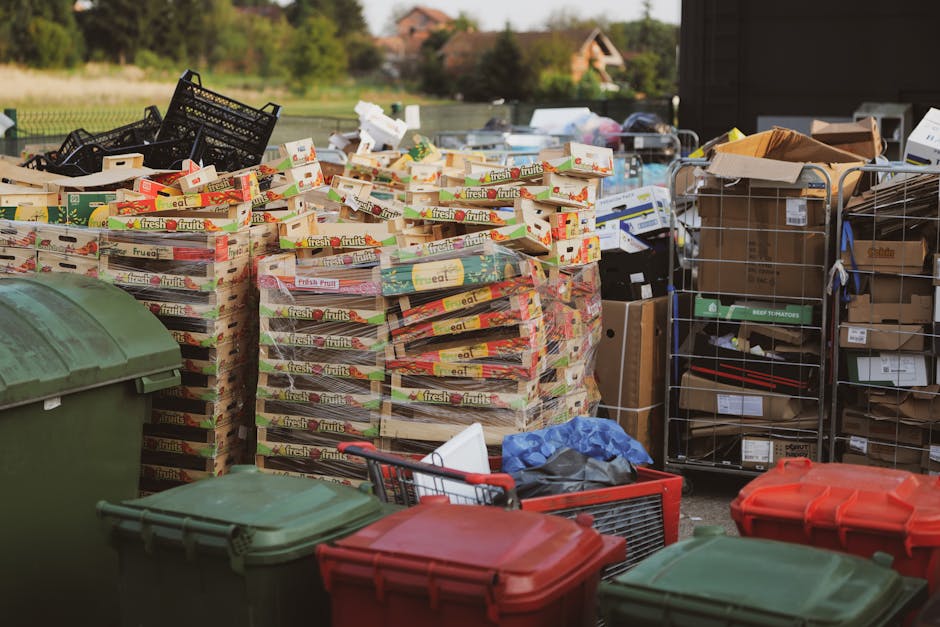
Bulk waste disposal and removals rules Haringey Council guide
If you are trying to get rid of an old sofa, a broken wardrobe, or a pile of mixed household junk, the rules can feel oddly confusing. One minute it seems simple, the next you are wondering whether it counts as bulky waste, whether the council will take it, and whether you are allowed to leave it outside. This Bulk waste disposal and removals rules Haringey Council guide pulls everything into one clear place so you can make the right call without the usual stress.
Whether you are clearing a flat, moving home, emptying a loft, or replacing furniture after a tenancy ends, the key is to understand what is accepted, how items should be presented, and when a private removal service makes more sense. To be fair, most people do not need a legal lecture. They need plain English, a practical plan, and a way to avoid fines, missed collections, and awkward last-minute scrambles. That is what follows here.
Table of Contents
- Why Bulk waste disposal and removals rules Haringey Council guide Matters
- How Bulk waste disposal and removals rules Haringey Council guide Works
- Key Benefits and Practical Advantages
- Who This Is For and When It Makes Sense
- Step-by-Step Guidance
- Expert Tips for Better Results
- Common Mistakes to Avoid
- Tools, Resources and Recommendations
- Law, Compliance, Standards, or Best Practice
- Options, Methods, or Comparison Table
- Case Study or Real-World Example
- Practical Checklist
- Conclusion
- Frequently Asked Questions
Why Bulk waste disposal and removals rules Haringey Council guide Matters
Bulk waste is not the same as putting out a normal bin bag or a few recycling boxes. It usually covers larger household items that do not fit into standard collections: mattresses, wardrobes, tables, old chairs, electrical items, broken flat-pack furniture, and other awkward bits that always seem heavier than they look.
Why does this matter? Because bulky waste is where small mistakes become expensive or inconvenient. If you leave items out in the wrong way, on the wrong day, or in a spot that blocks pavements or shared access, you may face refusal, delay, or complaints from neighbours. In a busy part of London, that can quickly snowball. A corridor gets blocked, a fire exit becomes cluttered, or a landlord starts asking questions. Nobody wants that conversation.
The rules also matter because councils and private carriers are dealing with different responsibilities. The council may offer a specific bulky waste service with its own booking conditions, while private removals teams can take a wider mix of items as long as they are safe, lawful, and properly handled. Knowing the difference helps you choose the simplest route.
There is also the environmental side. Bulky waste often contains recyclable material, reusable furniture, or items that can be separated for responsible treatment. If you just dump everything into the nearest skip solution without thinking it through, you may pay more than you needed and lose the chance to divert useful items away from landfill. If sustainability matters to you, it usually should, the better approach is to plan ahead.
Expert summary: The best bulky waste plan is rarely the most dramatic one. It is usually the one that matches the item type, the access at your property, the timing of your move, and the level of sorting you are able to do before collection day.
How Bulk waste disposal and removals rules Haringey Council guide Works
In practical terms, bulky waste handling follows a fairly simple pattern. You identify the items, check whether they are accepted, decide between council collection and a private removal option, and then prepare the waste so it can be taken safely. The complications start when people skip the checking stage.
For council-led collections, the most important thing is that the booking and presentation rules are followed exactly. Councils usually require items to be left in a safe, accessible location and ready for collection at the agreed time. That might mean ground-floor access, a front garden, a shared bin area, or another specified point. If access is poor, the job can be refused or partially completed.
For private removals, the process is more flexible, but not rule-free. A reputable team will still expect you to describe the items accurately, flag any hazards, and explain access conditions such as narrow stairs, no lift, parking limits, or long carries. If you are arranging a larger household clearance or moving a lot of bulky furniture at once, a service like removals or furniture removals may be more suitable than a one-off lift-out.
There is a second layer here as well: not everything that looks like bulky waste is treated the same way. Some items are reusable, some are recyclable, and some need special handling because of contamination, electrical parts, or damage. A wet sofa left in the rain, for example, is no longer just a bulky item. It becomes harder to reuse, harder to move cleanly, and potentially more costly to process. A small detail, but it matters.
Many households find it helpful to think of bulky waste in three buckets:
- Reusable items such as decent furniture that may be suitable for resale, donation, or reuse.
- Standard bulky waste such as broken furniture, mattresses, or general large household rubbish.
- Special items such as electrical goods, fridges, or anything that needs careful treatment.
If you are clearing a home before a move, it is often worth coordinating waste removal with the move itself. A coordinated plan can reduce duplicate lifting, extra parking issues, and the number of times you have to move the same sofa around the hallway. Not glamorous, but very effective.
Key Benefits and Practical Advantages
Following a clear bulky waste process is not just about compliance. It also saves time, reduces hassle, and helps you stay in control when a property is already full of half-packed boxes and awkward furniture.
First, it reduces the risk of refusal. When items are presented properly and you know what is and is not accepted, you are far less likely to get caught out on collection day. That means less waiting, fewer phone calls, and fewer "sorry, we could not take it" moments.
Second, it keeps access clear. This matters in flats, shared houses, and narrow terraced streets where every metre counts. A bulky item left badly can block a doorway or create a nuisance for neighbours. That is one of those small things people underestimate until they have to squeeze past a wardrobe at 8 a.m.
Third, it supports better value. If you sort items before booking a collection, you may be able to separate reusable furniture from true waste. Sometimes a simple item such as a table or cabinet is better handled through a reuse-focused route, while damaged items go with waste removal.
Fourth, it helps you plan a move properly. Anyone using home moves, flat removals, or house removals quickly learns that bulky items slow everything down. Removing them before moving day creates more space, safer walkways, and a less chaotic loading process.
Fifth, it can make the property look immediately better. That sounds obvious, but it is often the difference between a stressy final week and one where the place actually feels ready to hand over. A room with no broken wardrobe in the corner somehow breathes better. Strange but true.
Who This Is For and When It Makes Sense
This guide is useful for more people than you might expect. It is not just for people throwing out old sofas. It is for anyone dealing with bulky items at home, in a rental, or at work.
You will likely need this if you are:
- moving out of a flat and need to dispose of unwanted furniture;
- clearing a spare room, loft, garage, or shed;
- replacing old furniture after a refurb;
- preparing a rented property for inspection;
- helping a relative downsize;
- managing a small office clear-out;
- dealing with mixed waste after a same-day change of plan.
If you are a tenant, bulk waste planning is especially important because you may need to leave the property in a tidy, defensible condition. If you are a landlord or agent, it can help you move quickly between occupants without a pile of abandoned chairs becoming a week-long headache. For business settings, it often links to services such as office removals or commercial moves, especially where desks, filing units, and storage items need to be removed in one go.
There is also a scenario many people overlook: the in-between move. You may not be leaving a property forever, but you still need to clear bulky items now, perhaps because they will not fit in the next home. In those cases, private help can be especially useful. A smaller load might suit a man with a van arrangement, while a larger, mixed collection may need a fuller removal services package.
Step-by-Step Guidance
Here is the practical route that keeps things tidy and avoids the usual surprises.
- List every item clearly. Do not just write "rubbish" on a note. Count the items, note sizes, and flag anything broken, damp, sharp, heavy, or electrical.
- Separate reusable from non-reusable items. If something is still in good condition, keep it apart. That alone can change the best disposal method.
- Check access. Think about stairs, lifts, parking, timed entry, narrow hallways, and whether the item can be taken out in one piece. This is where many jobs go sideways.
- Decide on the right route. For a small number of items, council collection may be enough. For mixed loads, awkward access, or urgent timings, a private collection may be easier.
- Prepare the items safely. Empty drawers, remove loose glass where possible, tape up dangerous edges, and make sure items are not hiding pests, mould, or leaking liquids.
- Position items correctly. If the collection method requires outdoor placement, keep the route clear and place items where they can be collected without blocking footpaths or neighbours.
- Keep proof of what was removed. A quick photo before and after can be helpful, especially for rentals or shared properties. It is a small habit that saves awkward disputes later.
If you are combining waste removal with a move, packing can be the make-or-break stage. Having proper boxes and labelled essentials from packing and boxes or help with packing and unpacking services can keep the sensible items separate from the stuff that needs to go.
One practical note: if you have storage-worthy items but no room for them right now, it can be cheaper and calmer to store them temporarily rather than rush the wrong disposal decision. A service like storage can buy you breathing space. And yes, breathing space matters more than most of us admit.
Expert Tips for Better Results
Small decisions make a big difference here. In our experience, the jobs that go smoothly are the ones where the client has done just enough prep to remove ambiguity.
Tip 1: take measurements before collection day. It sounds obvious until a wardrobe gets stuck halfway down a stairwell. Measure doors, lifts, and turning spaces, not just the item itself.
Tip 2: dismantle only if it genuinely helps. Some furniture is quicker and safer to remove in one piece. Others, especially larger wardrobes or bed frames, are much easier broken down in advance. There is no prize for doing the hardest version.
Tip 3: keep one clear access route. If your hallway is already stacked with boxes, boots, and a hoover, removal becomes slower and more expensive in practice. Clear the line from item to exit.
Tip 4: ask about item types early. Mattresses, white goods, exercise equipment, pianos, and heavy office furniture can all need different handling. For more specialised loads, services such as piano removals or furniture pick up may be more relevant than a general clearance.
Tip 5: align waste removal with your moving date. If the bulky item is leaving the same property you are moving out of, use the timeline wisely. A collection two or three days before moving day usually feels calmer than trying to do everything at once. Morning light, kettle on, hallway clear - it makes a difference.
Tip 6: choose a provider that matches the job size. A smaller household clearance may only need a removal van or man and van option. Larger loads may justify removal truck hire or a fuller team.
And one tiny but useful thing: keep tea, water, and a phone charger handy on collection day. It is not a strategy in itself, but somehow it keeps the whole operation less frazzled.
Common Mistakes to Avoid
The biggest mistakes are rarely dramatic. They are usually boring little oversights. Which, annoyingly, is exactly why they happen.
- Leaving items out without checking collection rules. A sofa outside does not automatically mean it will be taken.
- Mixing hazardous material into bulky waste. Paint, chemicals, gas canisters, and similar items need their own handling.
- Assuming every item can go with a quick pickup. Some things need specialist care or advance notice.
- Forgetting access restrictions. Parking, permits, narrow staircases, and lift reservations all matter.
- Not measuring large items. The item may be the right type, but still impossible to carry safely through the property.
- Leaving disposal to the last minute. This is a classic moving-day problem. It always feels manageable until suddenly it is not.
- Using the wrong service for the load size. A tiny load should not be priced like a full property clearance, and a full clearance should not be forced into a solution that is too small.
One more: do not assume "bulk waste" means "anything I do not want." A bit of judgement is needed. Scraps of wood, loose rubble, renovation debris, and household items all follow different handling patterns. When in doubt, slow down and sort properly. It saves headaches.
Tools, Resources and Recommendations
You do not need a complicated toolkit, but a few simple things help a lot.
- Measuring tape for doors, stairwells, and furniture dimensions.
- Marker pens and labels so everyone knows what is staying, going, donating, or storing.
- Strong gloves for lifting damaged wood, sharp edges, and dusty loft items.
- Storage bags or boxes for separating screws, fittings, and useful components.
- Camera phone for before-and-after records.
- Clear route plan for flats, maisonettes, and homes with awkward access.
It is also worth checking a provider's wider service standards before you book. If you are comparing companies, pages such as pricing and quotes, insurance and safety, and health and safety policy can help you assess how seriously they approach the job.
If you are moving furniture rather than simply discarding it, look at the surrounding journey too. A reliable team may need boxes, packing support, or van capacity to handle both keep and remove items in one visit. That is where home moves and house removalists become useful in the bigger picture.
Law, Compliance, Standards, or Best Practice
For bulky waste, the main principle is simple: waste should be handled responsibly, safely, and in a way that does not create a nuisance or risk. In the UK, households and carriers are expected to avoid fly-tipping, unsafe storage, and careless disposal. That applies whether you are using a council service or a private team.
Best practice usually includes:
- separating items before collection;
- not blocking pavements, exits, or communal access routes;
- dealing carefully with electrical, sharp, or contaminated items;
- using a reputable carrier for larger or mixed loads;
- keeping records or evidence where needed for landlords, agents, or commercial premises.
For business users, compliance expectations are often stricter because office furniture, archived materials, and mixed commercial waste can involve additional documentation, access controls, or responsibility chains. If you are clearing a workplace, a service such as office relocation services can be useful where the line between "move" and "waste" is not entirely clean.
There is also a common-sense rule that gets forgotten: if an item is likely to leak, smell, fall apart, or injure someone while being carried, it needs planning before it moves. That is not bureaucracy. That is just sensible.
Options, Methods, or Comparison Table
If you are deciding how to clear bulky waste, it helps to compare the main routes side by side. The best option depends on item volume, urgency, access, and whether anything can be reused.
| Option | Best for | Strengths | Limitations |
|---|---|---|---|
| Council bulky waste collection | Small to moderate household items | Simple for eligible items, suitable for routine clear-outs | May have booking rules, access limits, and item restrictions |
| Private removal service | Mixed loads, awkward access, tight timelines | More flexible, can handle larger or more varied jobs | Usually needs accurate item details and can cost more depending on load |
| Reuse or donation route | Good-condition furniture and household items | Reduces waste, supports reuse, often more sustainable | Not suitable for damaged, unsafe, or heavily worn items |
| Temporary storage then decision | Uncertain items during a move or refurbishment | Buys time, avoids rushed disposal | Not a disposal method itself, so it may add an extra step |
If you are not sure which route fits your situation, start with the simplest question: do you need to dispose of something, move something, or buy time to decide? That one question usually points you in the right direction.
Case Study or Real-World Example
Here is a straightforward example. A family in a first-floor flat is moving out at the end of a tenancy. They have a damaged sofa, an old dining table, a broken chest of drawers, and a couple of smaller items that might still be useful. They also have a narrow stairwell, limited parking, and a moving day that is already feeling tight.
Instead of leaving everything until the final morning, they sort the items into three groups. The usable pieces are set aside. The damaged furniture is measured and photographed. The items are then cleared a day before the main move, using a provider that can handle both the access and the heavier lifting. The result is calmer than trying to do it all at once, and the flat is easier to hand back cleanly.
That kind of approach sounds almost too sensible, but honestly, it works. The place feels lighter. The removal team moves faster. The stress drops. And yes, the hallway stops looking like a game of furniture Tetris.
In another common scenario, a small office in Haringey is replacing desks and storage units. Some items are reusable, some are not. The team keeps the reusable units separate, arranges removal of the damaged items, and coordinates access to avoid disrupting staff. A service aligned with commercial moves or removal companies can make that sort of mixed job far easier.
Practical Checklist
Use this before booking or presenting bulky waste for collection.
- Have I listed every item clearly?
- Have I separated reusable items from true waste?
- Have I checked whether any items are hazardous, electrical, or specialist?
- Have I measured the largest items and the access route?
- Have I confirmed where items should be placed for collection?
- Have I planned for parking, permits, or access restrictions?
- Have I removed loose contents from drawers, cupboards, and storage boxes?
- Have I protected floors, walls, or communal areas if items are being carried through them?
- Have I taken photos in case a landlord, agent, or neighbour asks questions later?
- Have I chosen the right collection method for the size and timing of the job?
If you are working to a move deadline, remember that smaller services can still help. A same day removals option may be suitable for urgent clear-outs, while student households might prefer student removals for lighter but time-sensitive jobs.
Conclusion
Bulk waste disposal in Haringey becomes much easier once you treat it as a planning task rather than a last-minute chore. The rules are there to keep access safe, collections efficient, and waste handled properly. When you sort items early, measure access, and choose the right route, the whole process gets simpler. Much simpler.
That is really the heart of this guide. Know what you have, decide what can be reused, check the practical constraints, and match the removal method to the job. Whether you are clearing a single room, preparing a move, or handling a larger household or office reset, a calm, organised approach saves time and avoids avoidable trouble.
If your waste removal needs are part of a bigger move, keep the whole picture in mind. Packing, lifting, storage, access, and disposal all affect each other. Get those pieces lined up, and the day tends to go better than expected. Not perfect, maybe. But better. And often that is enough.
Get a free quote today and see how much you can save.
Frequently Asked Questions
What counts as bulky waste in Haringey?
Bulky waste usually means larger household items that do not fit into normal bins or regular collections, such as furniture, mattresses, and some large appliances. Exact acceptance can depend on the item and the collection method, so it is always worth checking before you book.
Can I leave bulky waste on the pavement outside my home?
Not automatically. Items usually need to be placed exactly as instructed for the service you are using, and they must not block the pavement or create a hazard. Leaving items out in the wrong way can lead to refusal or complaints.
Is council bulky waste collection better than a private removal service?
It depends on the job. Council collection can suit a small number of straightforward items. A private removal service is often better for mixed loads, urgent timings, awkward access, or larger clear-outs.
What should I do with furniture that is still in good condition?
Keep it separate from waste if possible. Reusable items may be better suited to a reuse, resale, or donation route. That is often more sustainable and can reduce disposal costs.
Do I need to dismantle furniture before removal?
Not always. It depends on the size of the item, the access route, and the removal method. Sometimes dismantling helps a lot; sometimes it just adds extra work. A quick measurement check usually answers it.
Can electrical items go with bulky waste?
Sometimes, but electrical items can be treated differently from general bulky waste. It is safest to check the rules for the specific item type before placing it in a collection.
What happens if my items are too heavy or awkward to move?
You may need a larger team, more time, or a different vehicle type. Heavy items can require special handling, especially in flats or properties with stairs, narrow hallways, or limited parking.
How far in advance should I arrange bulky waste removal?
As early as you can. If you are moving home or clearing a property at a deadline, booking ahead reduces stress and gives you time to sort items properly. Last-minute arrangements are possible in some cases, but they are always harder.
Can bulky waste be collected if I live in a flat?
Yes, but access matters. Flat clearances often depend on lift access, stair width, parking, and whether items can be taken out safely without disrupting neighbours or communal areas.
What if I have a mix of waste, furniture, and items I want to keep?
That is common. Sort everything into keep, reuse, dispose, and store categories before the collection day. If you need more time, temporary storage can help prevent rushed decisions.
Are there special rules for office or commercial bulky waste?
Usually, yes. Commercial clear-outs can involve stricter access, record-keeping, and mixed waste types. Office furniture, filing units, and equipment often need a more structured plan than a normal household removal.
What is the easiest way to avoid problems on collection day?
Prepare the items properly, confirm access, and choose the right service for the job size. If you do those three things, most collection-day problems simply do not happen. It really is that straightforward.